Surgical Suturing Techniques Mastery Guide
Introduction to Suturing Suturing Techniques – Guide (Infographic) Suturing Techniques – Indications and Contra-indications If you need a suture kit go here. Introduction to Suturing The primary goal of suturing is to approximate (bring together the wound margins) and to eliminate dead space between wound walls and edges so that underlying tissues are held together. … Read more
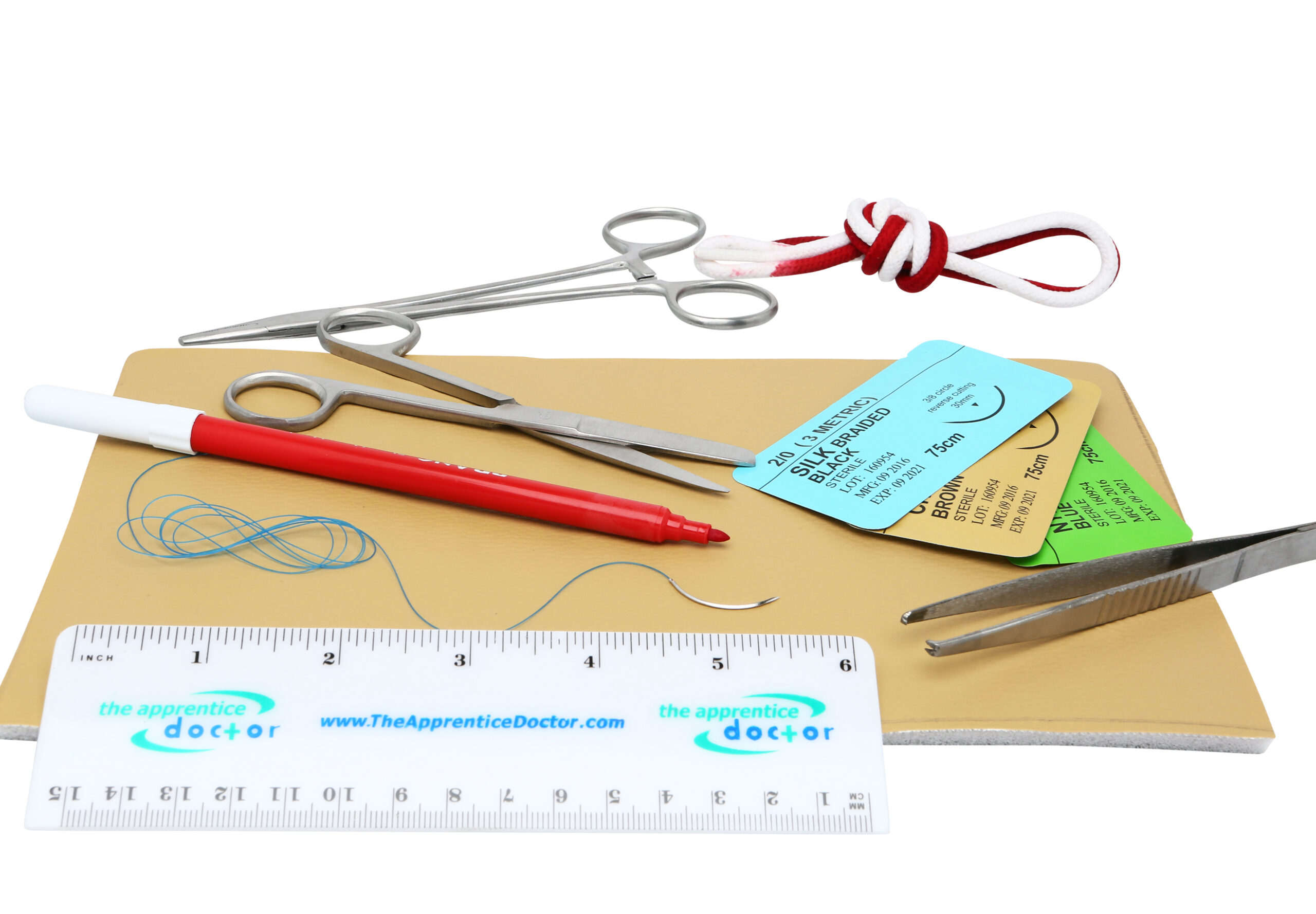
The Suturing Instruments Used in Wound Management

The objectives of managing a wound by suturing are obvious and simple. The first is to avoid infection from taking root in the wound. The second is to help in stopping bleeding through the wound. A third is to provide a visually pleasing scar as opposed to a grotesque mass of tissue. Many case studies … Read more

Surgical Knots Used in Wound Suturing

As a general rule, wounds are either closed secondarily or primarily.   Primary wound closure is one that is operated upon the wound within a short time of its occurrence. The suturing takes little cleaning and preparation which is probably why this type is more popular when it comes to wound suturing.   Secondary wound … Read more

Overview of Suturing

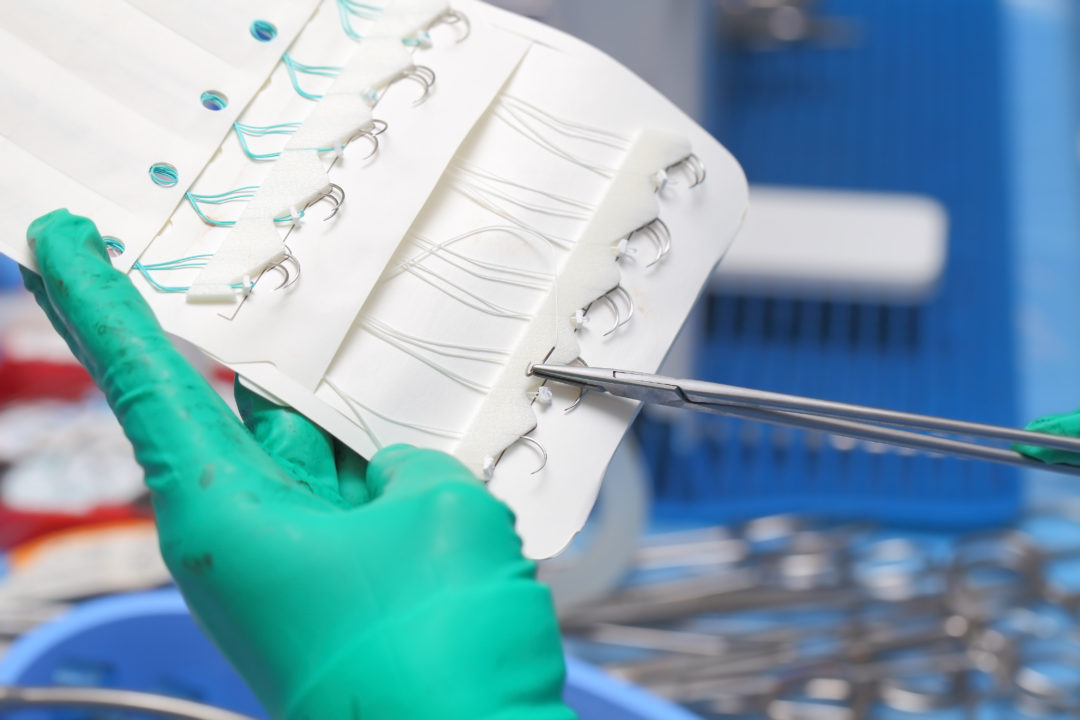
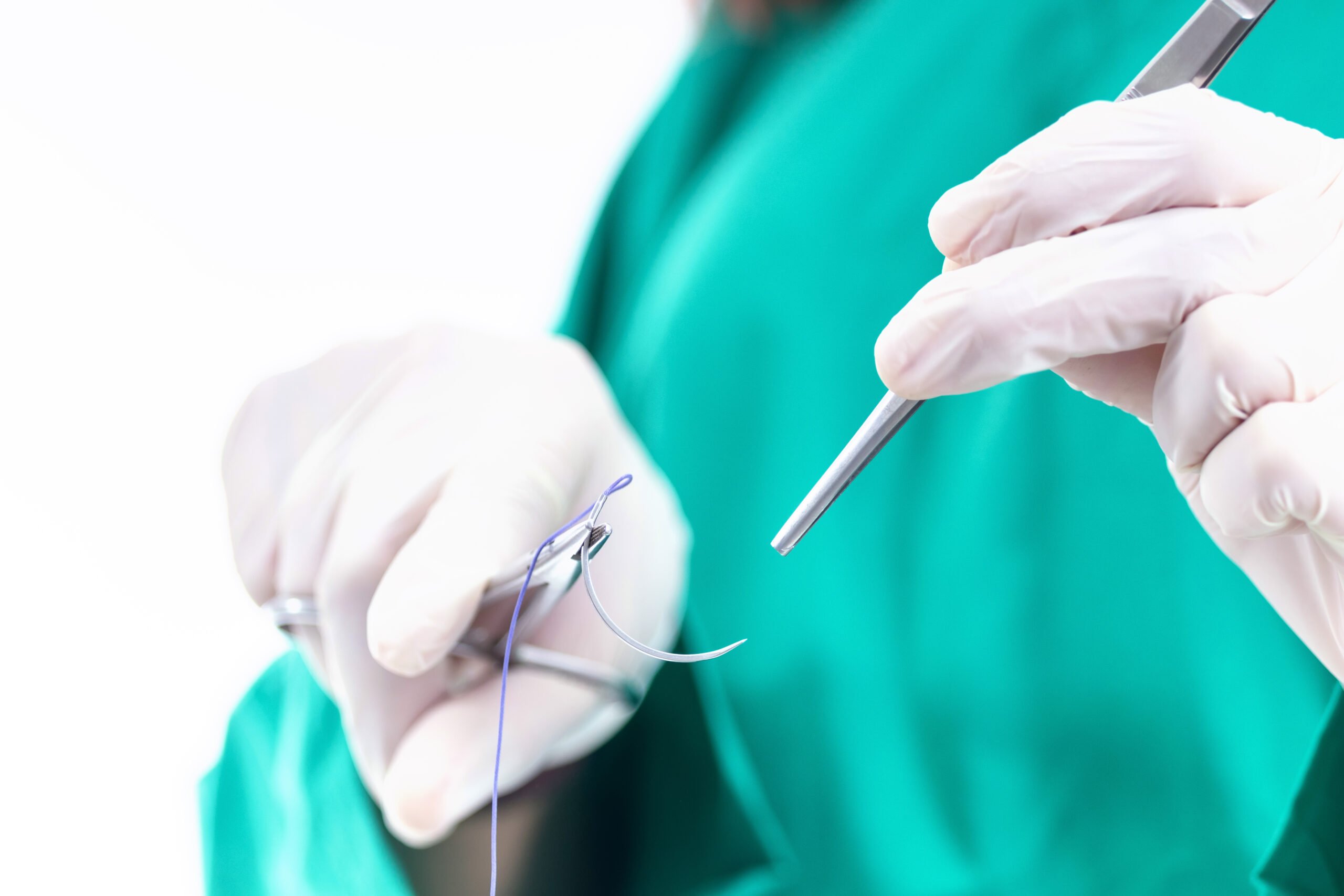
More commonly known as stitches, a surgical suture is a device used to knit back together body tissues after a surgery done on a person, or because of an injury. The device that is used to do this procedure consists of a needle, and an appropriate length of thread attached to it.

A Historical Glimpse of Suturing

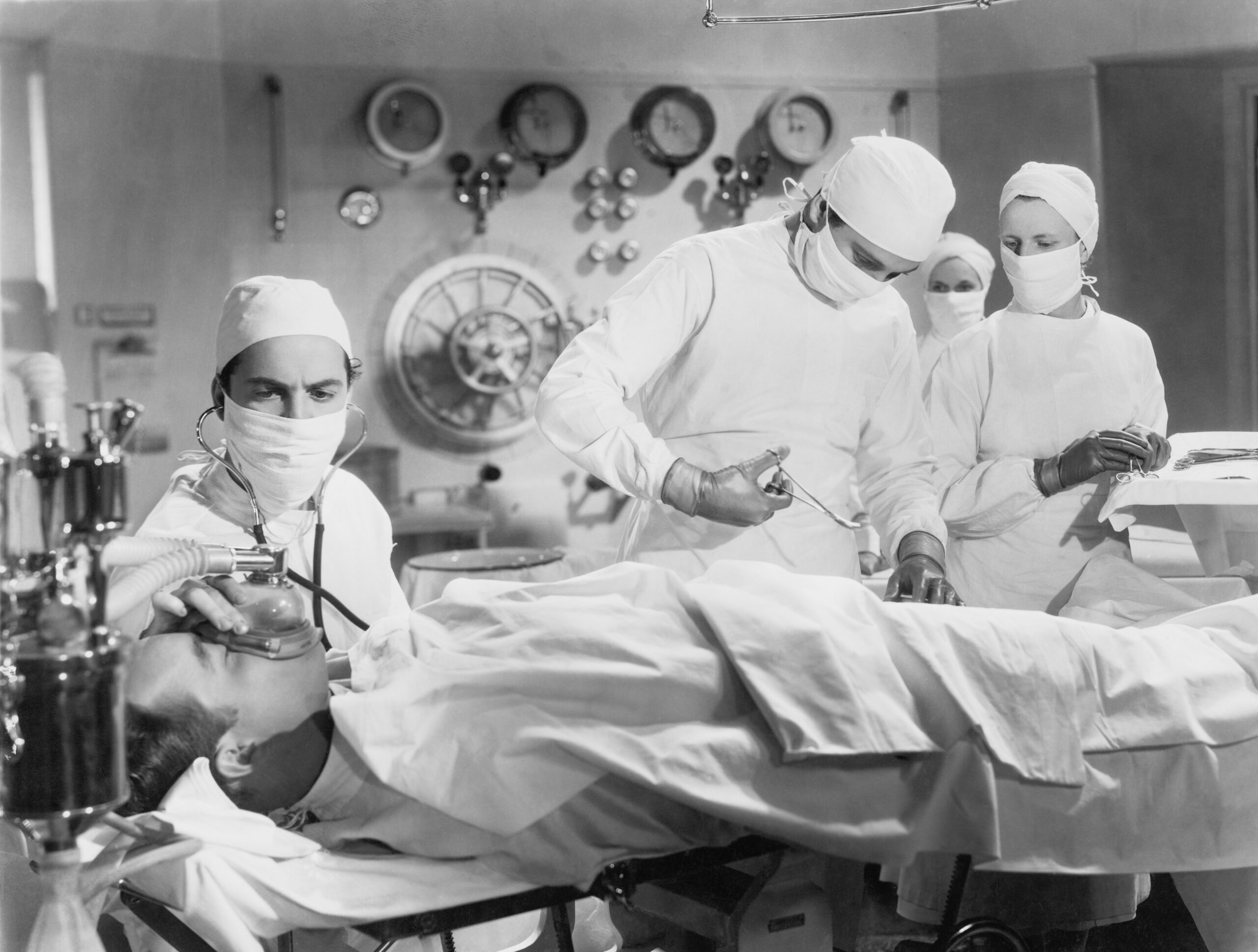
Suturing is commonly used today as a means by which wounds are closed in order to prevent infection and hasten healing. Stitches are used by surgeons, doctors, nurses, podiatrists, dentists, first aid workers, veterinarians and survivalists. However, where did the concept for suturing wounds begin?

Common Suture Techniques

Common Suture Techniques to Know and Utilize

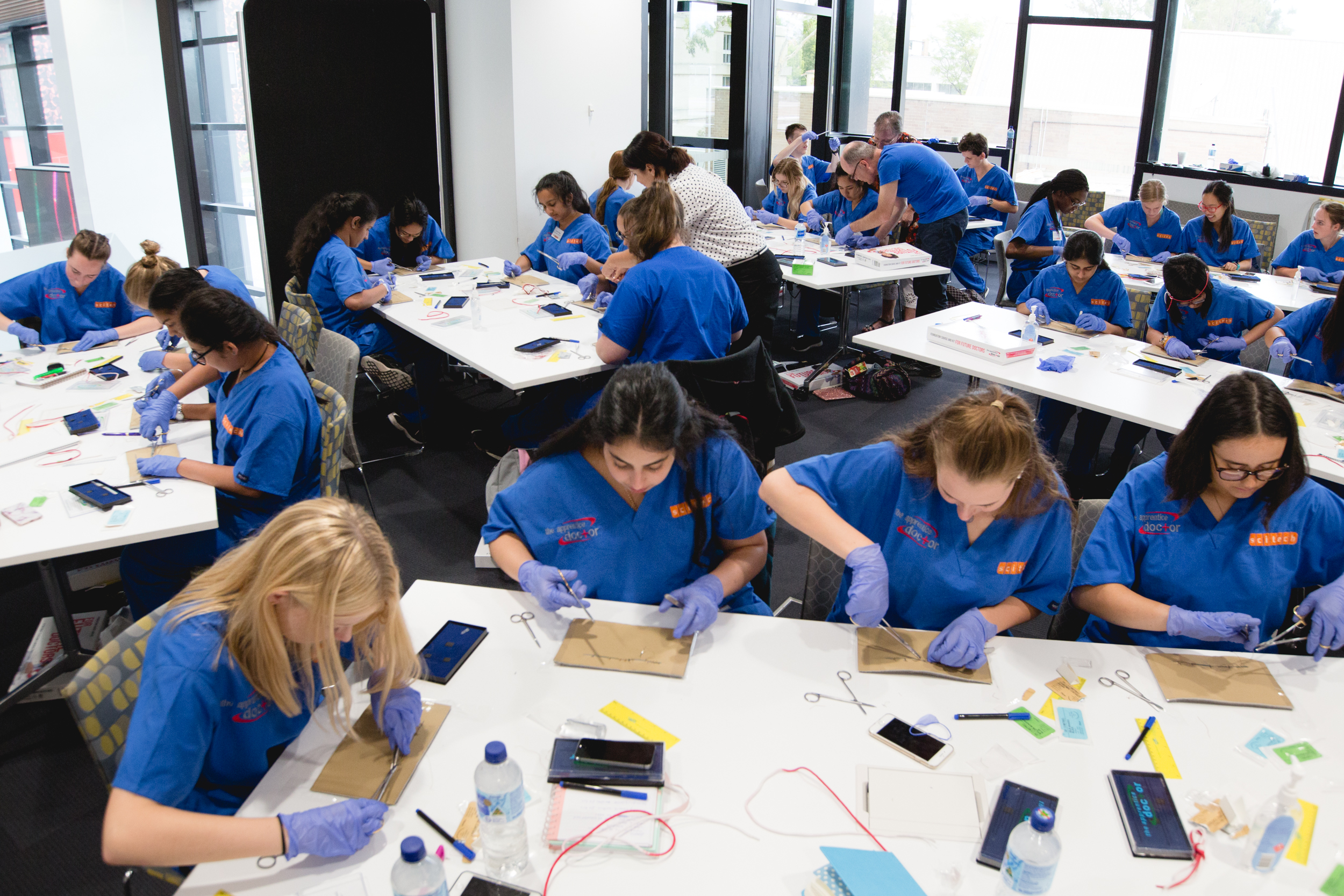
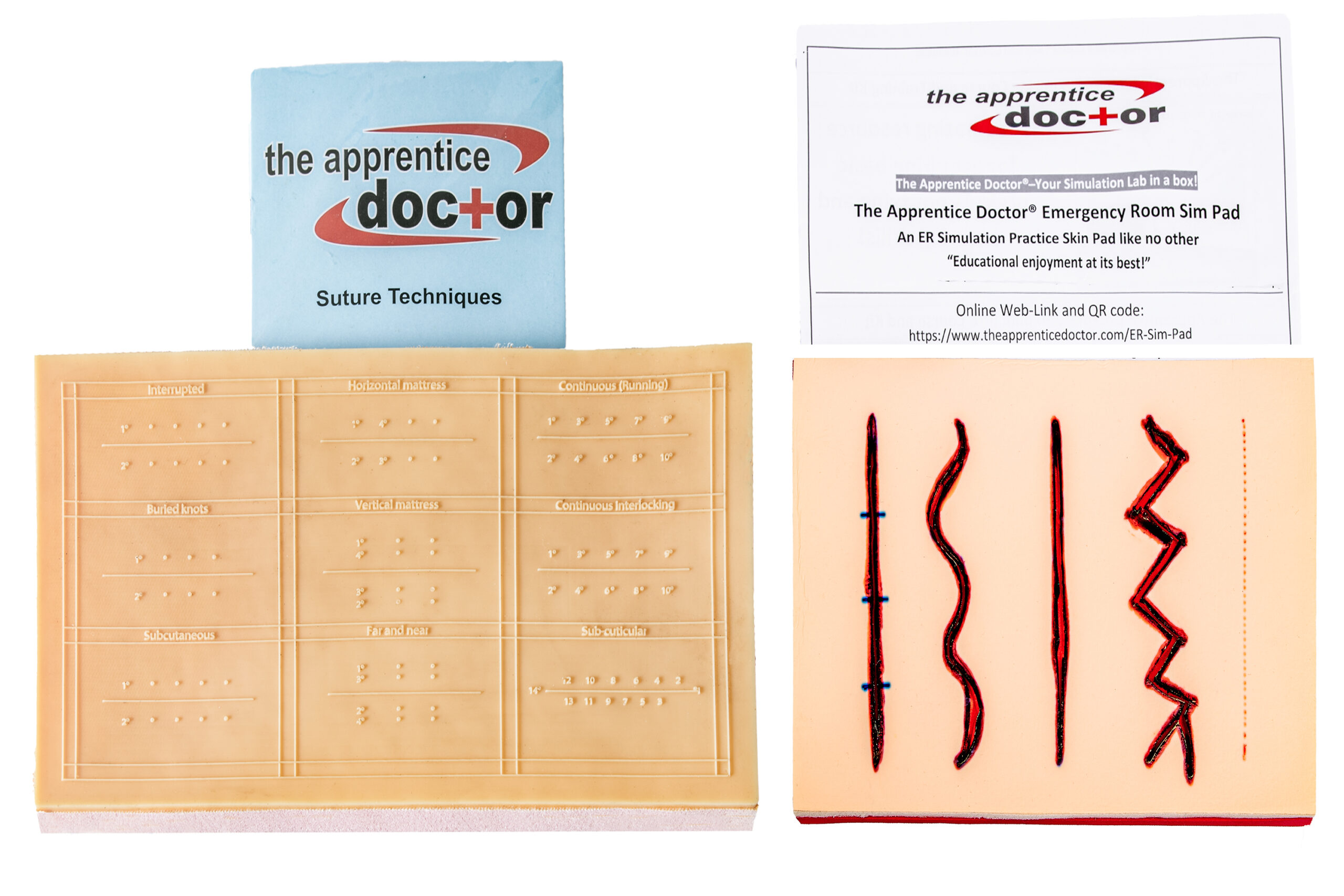
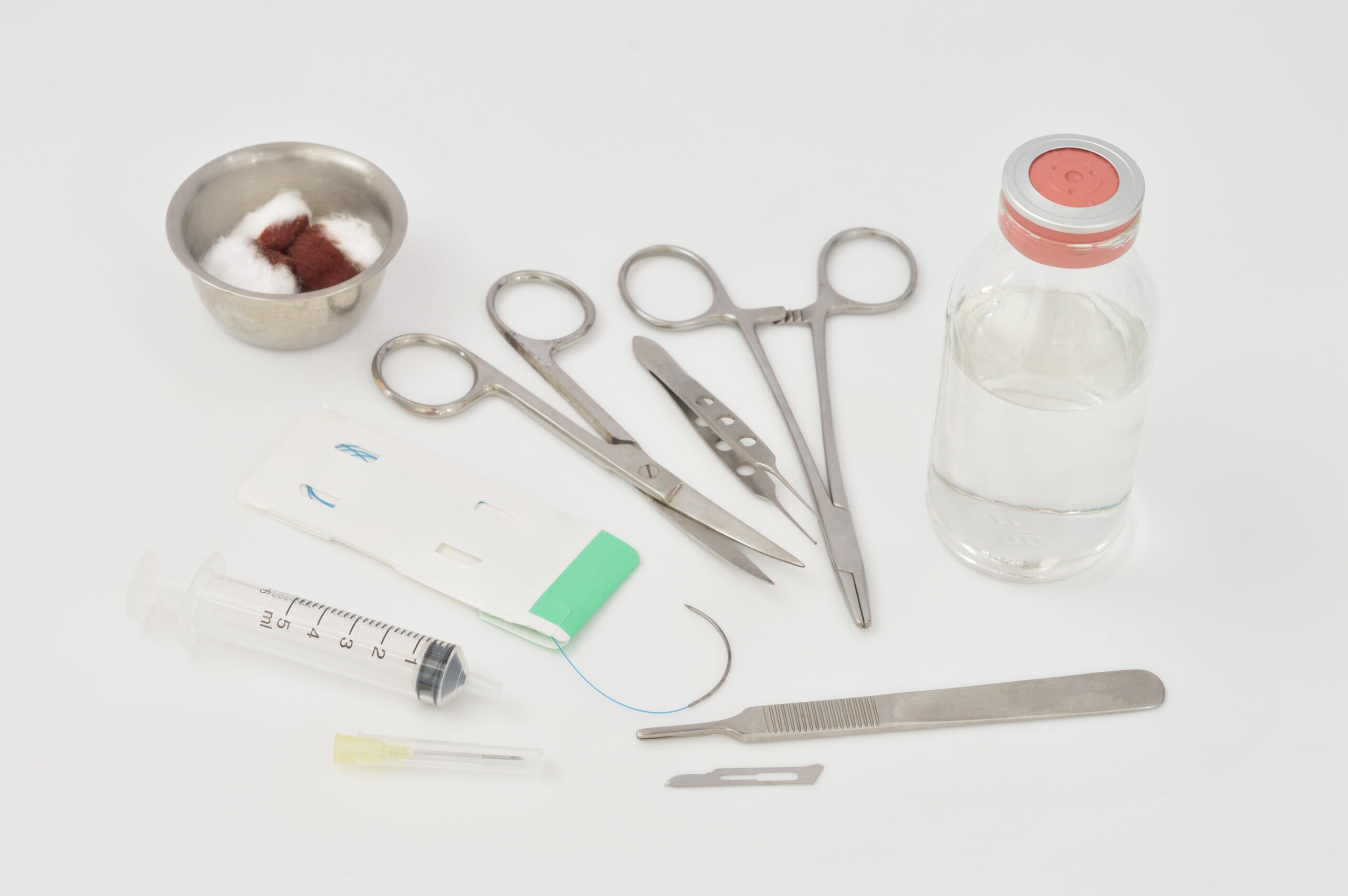
There are several common suture techniques which can be used to close wounds. The first requirement is to possess a suture kit that includes, at least, the basic tools of a needle holder, toothed tissue forceps (with or without a skin hook), fine suture scissors and adequate suturing material.

Suturing Wounds in an Emergency Situation

Injuries can occur at odd times and in inconvenient locations causing a delay in accessing proper treatment by medical professionals. Accidents can occur while hiking, camping, working in remote locations, or traveling in other countries that are less prepared to handle emergencies or access medical help. In such times, it is beneficial to be both prepared and have a basic knowledge of how to stitch up wounds.